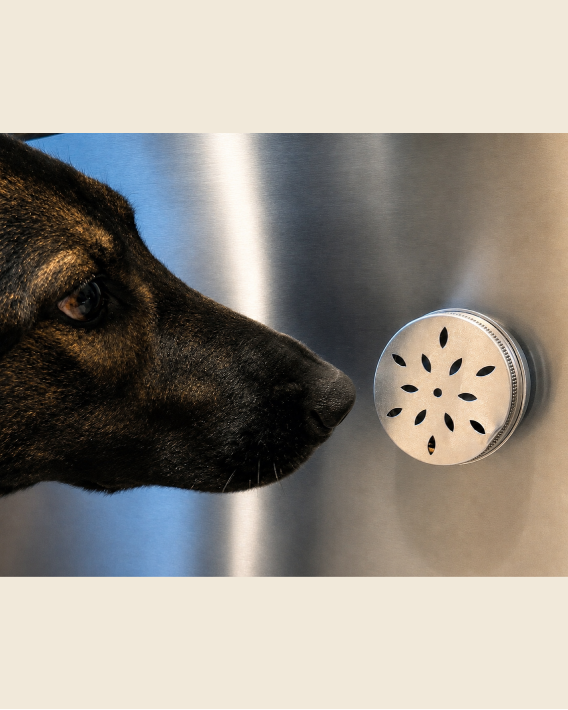
A service dog is a dog individually trained to perform specific tasks that directly mitigate a person’s disability.
Service dogs are working partners who provide support through specialized training, reliability, and a strong relationship with their owner.
No.
Successful service dogs require the appropriate temperament, health, confidence, resilience, and trainability necessary to work safely and reliably in a variety of environments.
Not every dog is suited for service work, and ethical training requires recognizing what is in the best interest of both the dog and the owner.
Selecting the right dog is one of the most important decisions in the service dog process.
A successful service dog partnership begins with a dog who has the appropriate health, temperament, confidence, and ability to learn the skills required for service work.
Factors that may be considered when evaluating a potential prospect include:
A great companion dog is not always a great service dog. Ethical selection focuses on finding the right match between the dog’s abilities and the owner’s needs.
Service dogs are trained to perform tasks that are specific to an individual’s disability and needs. Because every person and every dog is different, training goals are developed through careful evaluation and consideration of the team’s needs.
Examples of disability-related tasks may include:
Task training is not one-size-fits-all. The appropriate work for each team depends on the owner’s needs, the dog’s abilities, and the overall suitability of the partnership.
Yes
Under the Americans with Disabilities Act (ADA), individuals may train their own service dogs.
However, service dog training requires significant time, consistency, appropriate evaluation, and a commitment to developing reliable skills in a variety of environments.
Successful service dog teams are built through:
Professional guidance can help owners establish appropriate training goals, evaluate progress, and identify areas that require additional development.
Not every dog completes service dog training, and this is an important part of ethical service dog work.
A dog may not continue in training for many reasons, including changes in temperament, health concerns, environmental challenges, or determining that another role may be a better fit.
A dog that does not become a service dog is not a failure. Recognizing when a dog is better suited for another path protects both the dog and the future owner.
Ethical training prioritizes the long-term well-being of the dog and the success of the team.
Every service dog journey is unique.
Whether you are considering training a current dog, selecting a service dog prospect, or simply learning more about service dogs, the right path begins with education, evaluation, and thoughtful preparation.
CBK9 Training believes successful service dog partnerships are built through careful planning, responsible training, and a commitment to the long-term success of both the owner and the dog.